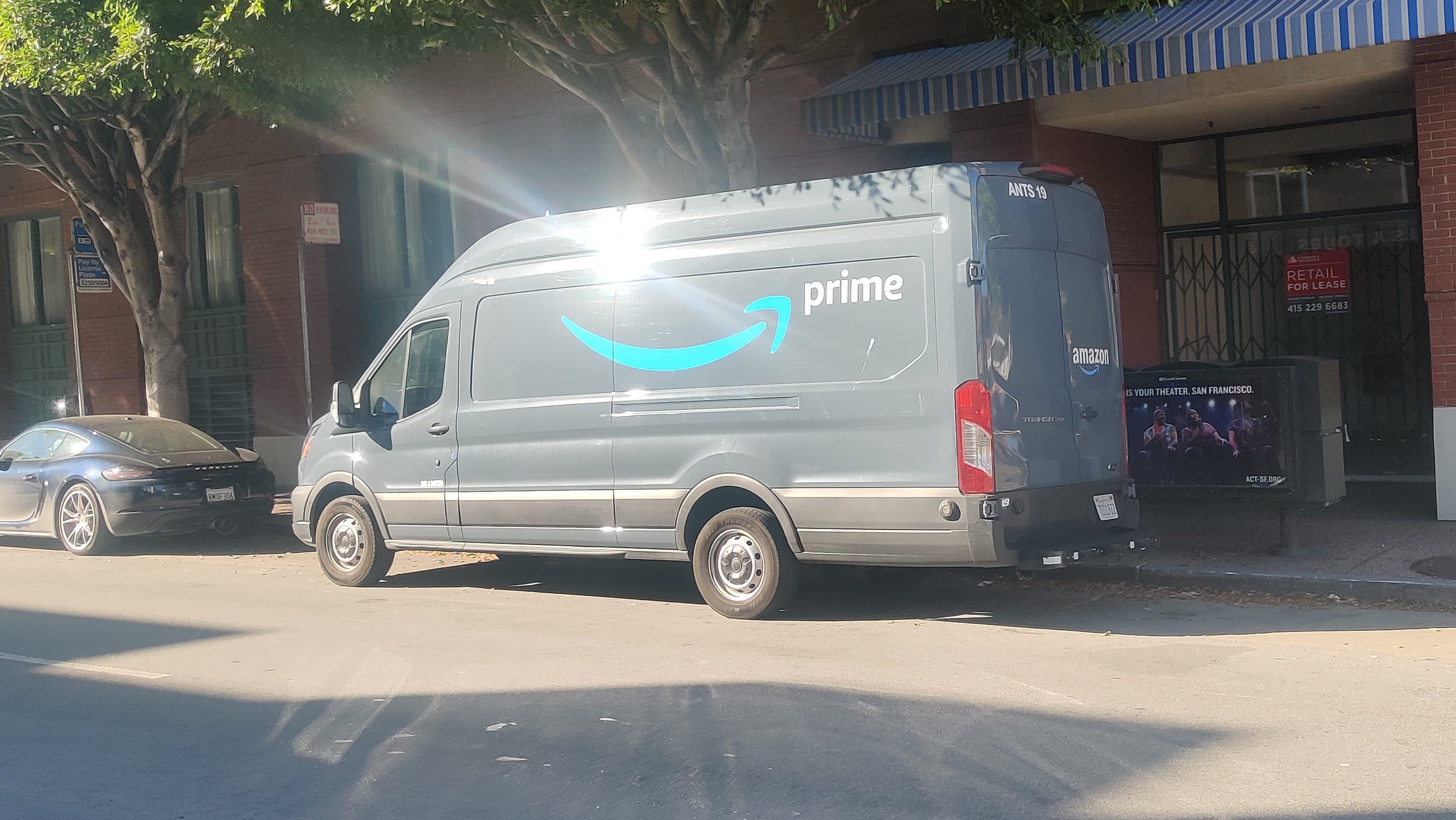
Amazon's Fuel Surcharge: A Response to Global Energy Crisis
The war in Iran has sent shockwaves through global oil markets, with Amazon implementing a 3.5% fuel surcharge for sellers that use its distribution network.
The e-commerce giant's move is expected to inflict significant new costs on merchants that rely on its distribution network, with the policy set to take effect on April 17. The surcharge will apply to sellers who use the company's Fulfillment by Amazon (FBA) service, which allows companies to send their products to Amazon's warehouses, where they are packed and shipped to buyers.
The news was originally reported by Bloomberg, with Amazon stating that the surcharge is a response to elevated costs in fuel and logistics. The company added that it will continue to evaluate a potential policy shift as market conditions evolve.
The Impact of Amazon's Surcharge
- The 3.5% fuel surcharge is expected to significantly increase costs for merchants that rely on Amazon's distribution network.
- The policy will apply to all sellers who use FBA, with no exceptions or exemptions.
- Amazon's surcharge is significantly lower than those applied by other major carriers, but is still expected to have a major impact on merchants' bottom lines.
The Global Energy Crisis: A Growing Concern
- The war in Iran has sent global oil prices soaring, with the U.S. experiencing significant spikes in gas prices.
- The crisis has been ongoing for several months, with no end in sight.
- The impact on global trade and commerce is expected to be significant, with many companies struggling to cope with the increased costs of transportation and logistics.
Conclusion
Amazon's fuel surcharge is a response to the growing concerns around global energy markets. While the policy is expected to inflict significant new costs on merchants that rely on its distribution network, it is a necessary measure to help the company cope with the increased costs of fuel and logistics. As the global energy crisis continues to unfold, it is likely that more companies will be forced to implement similar policies to protect their bottom lines.