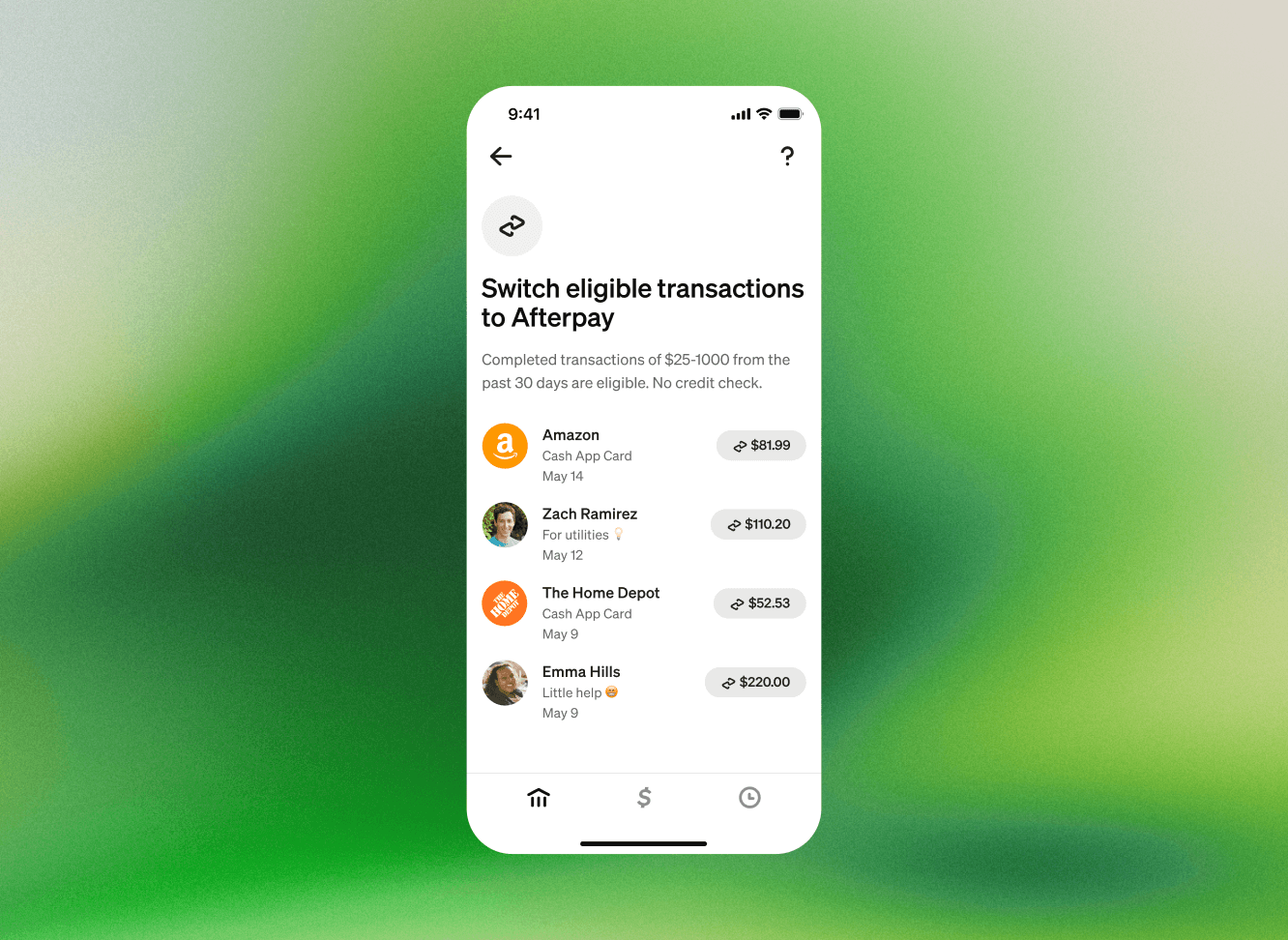
Cash App Revolutionizes P2P Payments with New 'Pay Later' Feature
In a move that's shaking up the fintech industry, Cash App has launched a revolutionary new 'pay later' feature for peer-to-peer payments. This game-changing feature allows eligible users to pay for everyday transfers over an extended period, with a 7.5% fee.
Cash App's new feature is designed to provide financial flexibility to users, particularly those with variable income streams. According to Owen Jennings, Block's Global Head of Business, many Americans have non-traditional jobs that pay with less consistency than those offered in prior decades. Cash App's 'pay later' feature is meant to add value to customers via 'cash flow management' and provide a solution to the growing need for flexible financing.
As Jennings noted, the feature is particularly beneficial for solo-preneurs, entrepreneurs, and gig workers who have side hustles and variable income streams. They may have difficulty managing their expenses, and this feature provides them with the flexibility to pay for their everyday transfers over an extended period.
- The feature is available to Cash App users who make transfers of $25 or more, and repayments can be made in weekly increments over a period of up to six weeks or as a single payment at the due date.
- There are also loan limits to the new system, but they are dynamic and depend on the original transaction amount and individual customer assessment.
- According to a Cash App spokesperson, the company evaluates each transaction for eligibility based on its responsible lending criteria rather than setting traditional credit limits.
The service builds off of other financial flexibility services that Cash App already offers, including Borrow and Afterpay for Cash App Card. Jennings emphasized that the new feature has strong built-in protections designed to steer users away from financial trouble, like getting stuck in debt spirals.
'The way all of our lending products are created is non-revolving,' Jennings said. 'If you don't pay back a loan, then you can't take out another loan.' This means that users cannot accumulate debt by repeatedly taking out new loans to pay off old ones.
While the 'pay later' feature has its benefits, it also raises concerns about the growing need for flexible financing and the potential for consumers to get trapped in cycles of debt. Some critics argue that 'buy now, pay later' services are designed to take advantage of vulnerable consumers, while others see it as a sign of a broader economic crisis.
In any case, Cash App's new feature is a significant development in the fintech industry and highlights the growing need for flexible financing options. As the financial landscape continues to evolve, it's likely that we'll see more companies offering similar services to meet the changing needs of consumers.