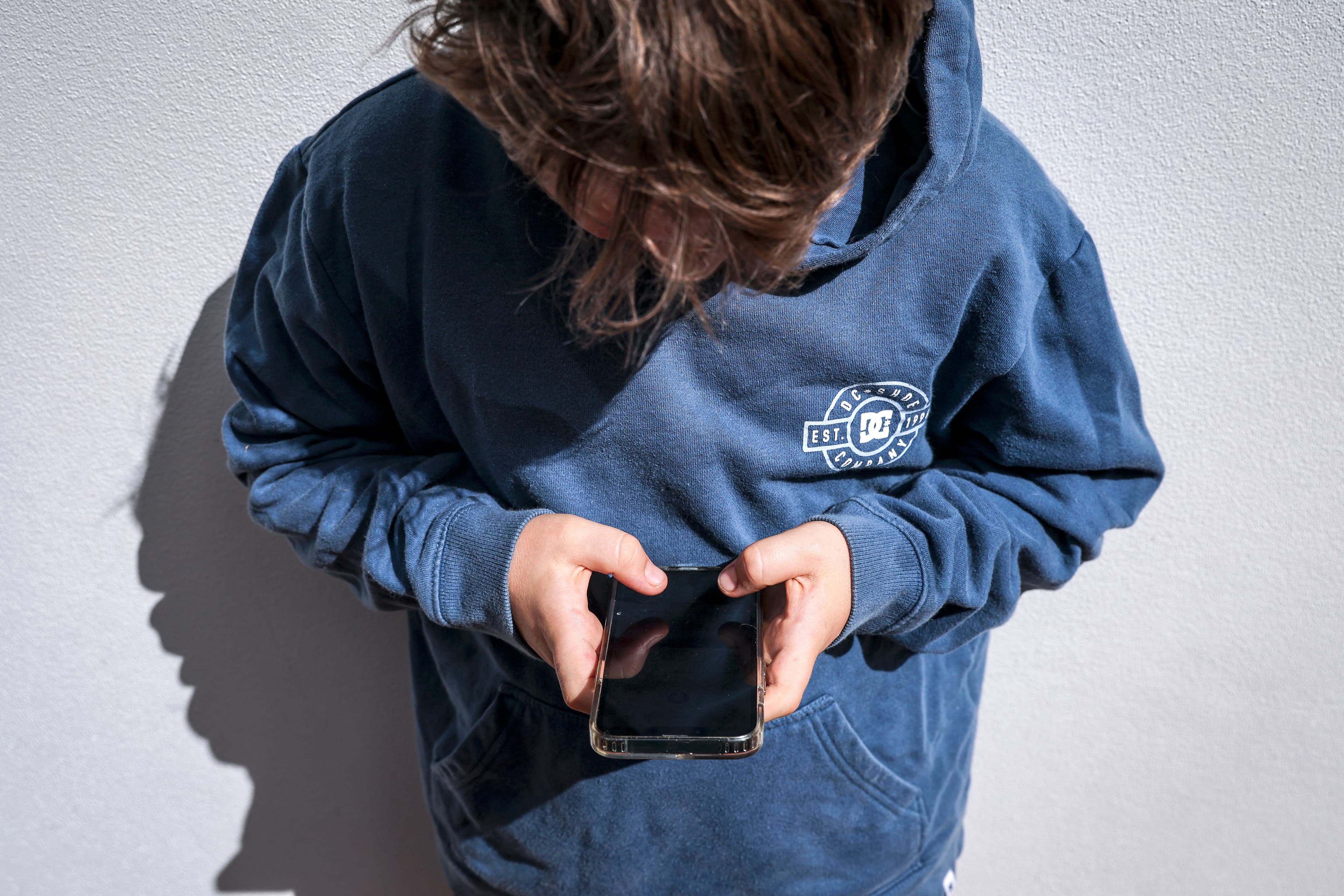
Social Media Ban Spreads Across the Globe
Several countries are moving to restrict social media access for children and teens, citing concerns over cyberbullying, addiction, and mental health issues.
Over the past several months, many countries have announced plans to restrict social media access for children and teens. Australia became the first to implement such measures at the end of last year, setting a precedent that other countries are now closely watching.
Australia's regulations, along with other countries' proposals, aim to reduce the pressures and risks that young users may face on social media. Australia's ban blocks children from using Facebook, Instagram, Snapchat, Threads, TikTok, X, YouTube, Reddit, Twitch, and Kick. It notably doesn't include WhatsApp or YouTube Kids.
The Australian government has said these social media companies must take steps to keep children off their services. Companies that fail to comply may face penalties of up to $49.5 million AUD ($34.4 million USD).
Denmark is set to ban social media platforms for children under 15.
The Danish government announced in November 2025 that it had secured support for the ban from three governing coalition parties and two opposition parties in parliament.
In France, a bill passed in late January would ban social media for kids under 15.
President Emmanuel Macron has supported the measure as a way to protect children from excessive screen time.
In Germany, Chancellor Friedrich Merz's conservatives discussed a proposal to bar children under 16 from using social media.
However, there were signs that his center-left coalition partners were hesitant to support an outright ban.
Other countries, including Indonesia, Malaysia, and Slovenia, also plan to ban social media for children.
These nations aim to protect young users from the risks associated with social media, including cyberbullying, addiction, and mental health issues.
The United Kingdom is weighing a ban on social media for children under 16.
The government says it will consult parents, young people, and civil society for their views to determine whether a ban would be effective.
This story was originally published in February 2026 and is updated regularly with new information.