Flipboard Launches Social Websites, Redefining Online Communities
Flipboard, a pioneer in decentralized social media, has unveiled social websites, a groundbreaking platform that empowers creators and publishers to build their own online spaces. This innovative move marks a significant shift in how content is organized and shared online, giving users more control over their digital experiences.
Flipboard's social websites are built around existing conversations on the open social web, including decentralized platforms like Mastodon and Bluesky, as well as public web content. These websites bring together social posts, videos, podcasts, newsletters, and other conversations into a single destination that creators control.
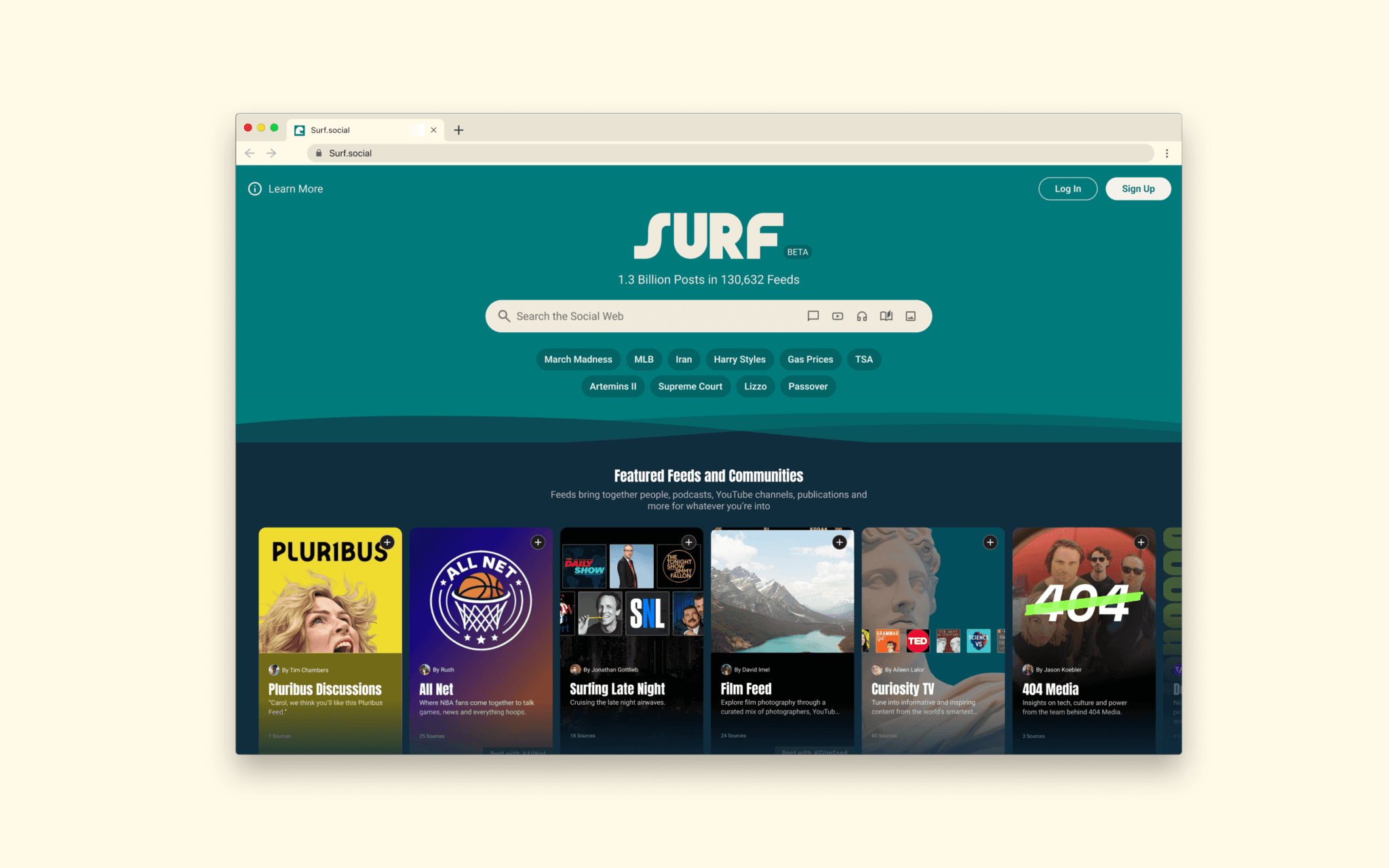
The launch of social websites marks the first web-based extension of Surf, Flipboard's reader app that allows users to browse and explore the open social web. The company notes that social websites are powered by Surf feeds.
Flipboard has already partnered with several publishers and creators who have created their own social websites. For instance, The Verge, Wired, and Rolling Stone have built social websites where readers can follow journalists, podcasts, videos, and conversations in one hub.
"Social websites help podcasters, creators, and publications build communities around their work and control the experience, including the algorithm," said Flipboard CEO Mike McCue in a blog post. "Rather than starting a community from scratch, creators can use social websites to easily bring together the people and conversations that are already happening around their podcasts, videos, and newsletters across the social web."
To create a Surf feed, users need to go to surf.social, sign up, and click the "+ Create Feed" option in the sidebar. They then need to follow the prompts to add sources, assign a community hashtag, and set filters to customize their feed.
Once the feed is set up, the owner can assign a custom domain via the feed header's three-dot menu to create a social website that they can share with others. Flipboard says social websites are designed to live beyond Surf, as they can be shared across the web.
"By combining content and conversations from across social platforms, Surf social websites become destinations to keep up on anything you're interested in," Flipboard explains. "And this is just the beginning. More customization tools are on the way, including custom headers, colors, and additional feed management features."
Flipboard's social websites are a significant step towards a more decentralized and community-driven internet. As the platform continues to evolve, it will be exciting to see how creators and publishers use social websites to build and engage with their audiences.