Google's TurboQuant: The AI Memory Compression Algorithm That's Got Everyone Talking
TurboQuant, Google's new AI memory compression algorithm, is making waves in the tech industry with its potential to reduce AI's working memory by "at least 6x" without impacting performance.
Google Research described the technology as a novel way to shrink AI's working memory without impacting performance. The compression method, which uses a form of vector quantization to clear cache bottlenecks in AI processing, would essentially allow AI to remember more information while taking up less space and maintaining accuracy, according to the researchers.
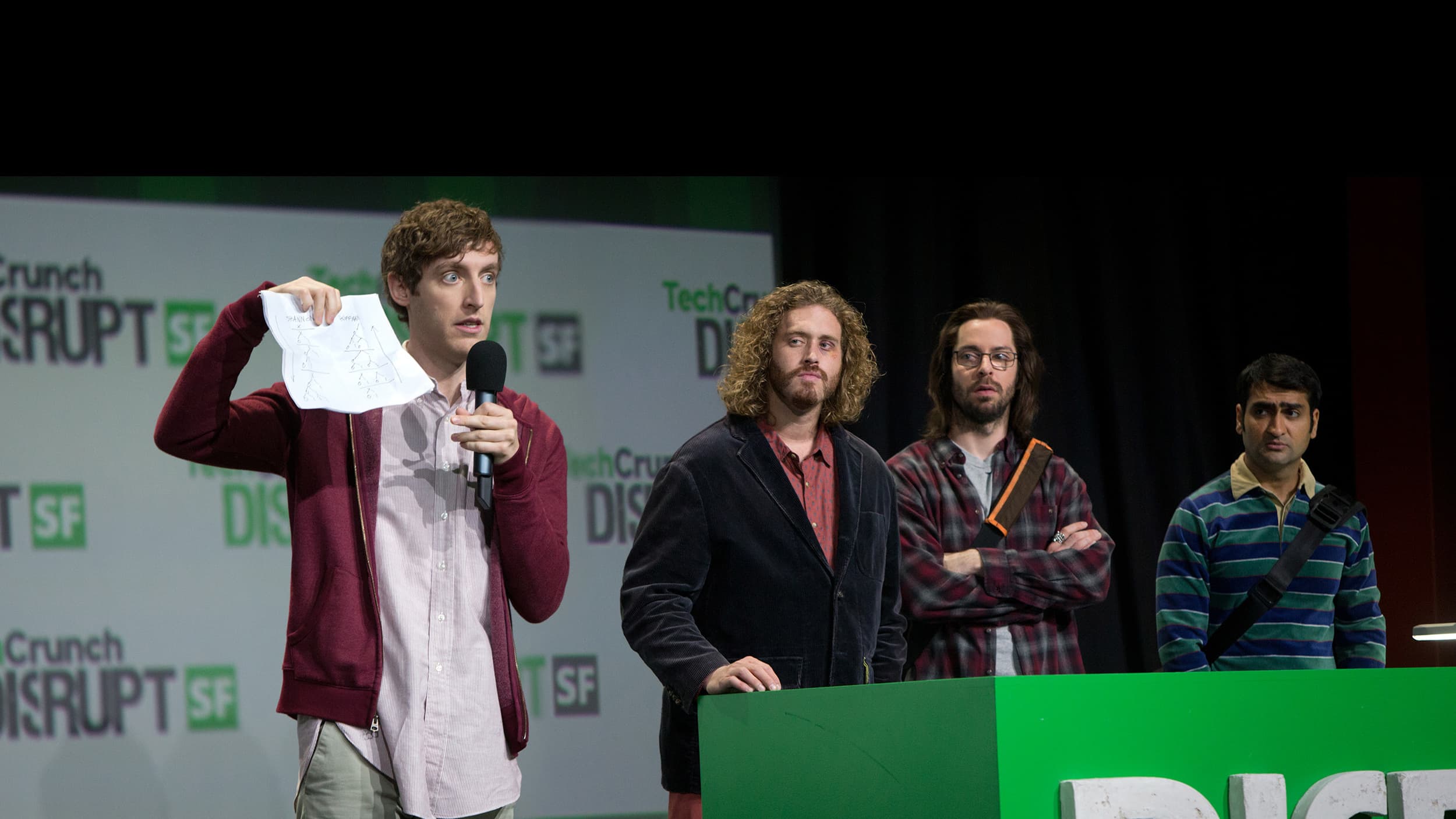
So, what's the inspiration behind TurboQuant? Some have noted that it's similar to the fictional startup Pied Piper's compression algorithm from the TV series "Silicon Valley." While comparisons to the show may be humorous, the results are exciting the wider tech industry as a whole. If successfully implemented in the real world, TurboQuant could make AI cheaper to run by reducing its runtime "working memory" – known as the KV cache – by "at least 6x."
-
Some experts, like Cloudflare CEO Matthew Prince, are even calling this Google's DeepSeek moment – a reference to the efficiency gains driven by the Chinese AI model, which was trained at a fraction of the cost of its rivals on worse chips, while remaining competitive on its results.
-
The technology is still in its early stages, but it has the potential to lead to efficiency gains and systems that require less memory during inference. However, it wouldn't necessarily solve the wider RAM shortages driven by AI, given that it only targets inference memory, not training – the latter of which continues to require massive amounts of RAM.
The math involved in TurboQuant is complex, but the results are worth paying attention to. Google Research plans to present their findings at the ICLR 2026 conference next month, along with the two methods that are making this compression possible: the quantization method PolarQuant and a training and optimization method called QJL.
- TurboQuant is still a lab breakthrough at this time, but its potential to reduce AI's working memory without impacting performance is exciting. As the tech industry continues to evolve, it will be interesting to see how Google's TurboQuant plays out in the real world.