Hyperscalers' Natural Gas Gamble May Backfire
A new research report suggests that hyperscalers like Amazon, Google, and Meta may regret their affinity for natural gas as prices are expected to triple in the coming years. This could make their AI data centers more expensive to run, driving up token costs or pushing them to connect to the grid, driving electricity prices higher.
"I think everyone in the energy markets has been lulled into a sense that gas prices can't go up," said Peter Gardett, CEO of Noreva, an energy research firm. "You just need simple arithmetic to get to a much tighter gas market than you were in just a few years ago."
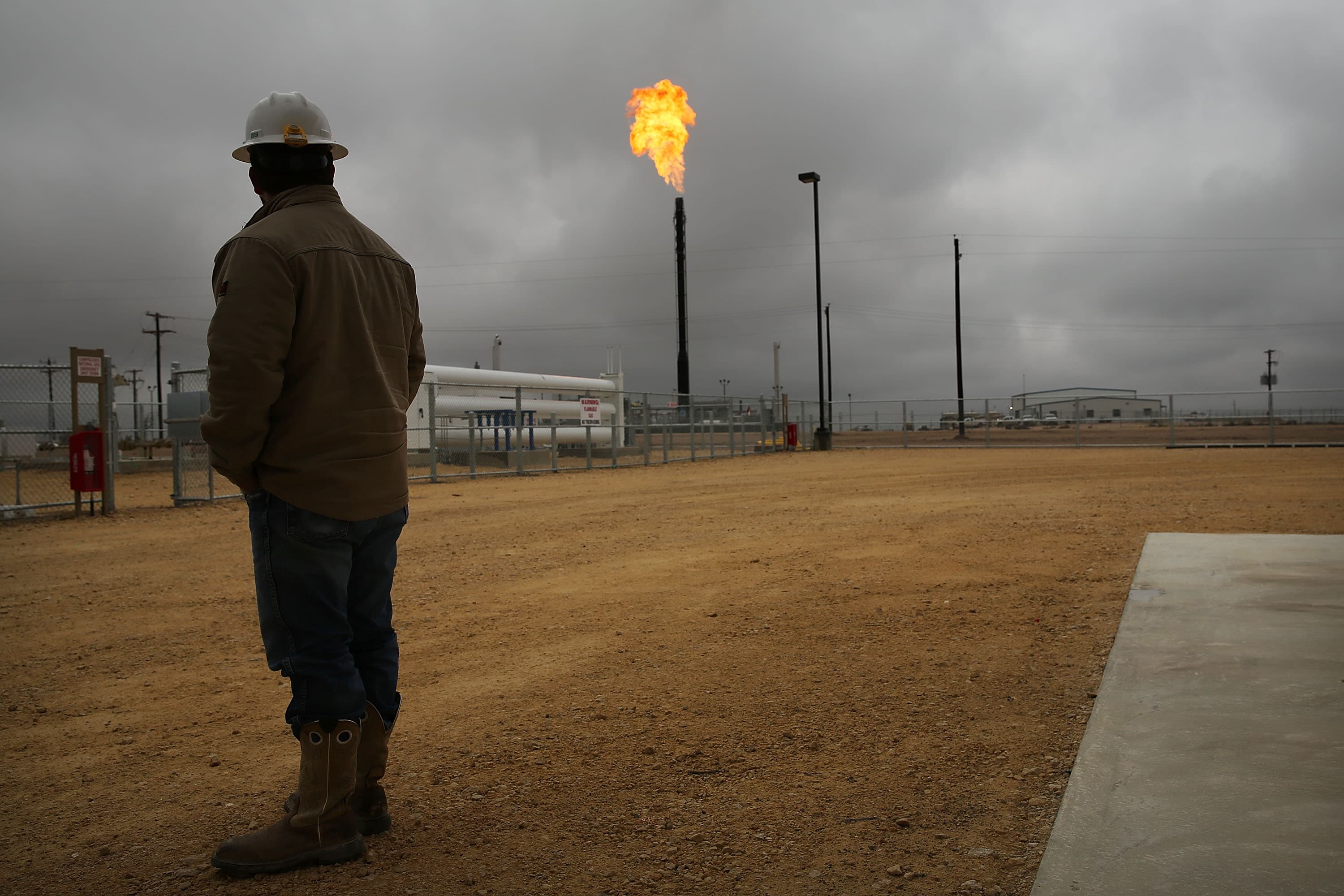
Hyperscalers have been lured to Texas and Louisiana by cheap natural gas prices, but a new pipeline connecting West Texas to national and international markets could lead to price swings near their big data centers. This could be magnified elsewhere, driving prices in some regions above $10 per million BTUs for extended periods of time.
- The natural gas market is expected to become tighter due to declining supply growth and rising exports of liquefied natural gas.
- Hyperscalers may not be prepared for future price shocks, which could make their AI data centers more expensive to run.
- The connection of West Texas to national and international natural gas markets could lead to price swings near hyperscalers' big data centers.
- This could drive prices in some regions above $10 per million BTUs for extended periods of time, making it harder for hyperscalers to power their AI ambitions.
- The increased cost of natural gas could also drive up token costs or push hyperscalers to connect to the grid, driving electricity prices higher.
Under this scenario, even if hyperscalers can stomach higher prices, their natural gas consumption could add a new dimension to the data center backlash. Already, 80% of consumers are worried about data centers' impact on their utility bills, mostly related to electricity. That angst could spill over to natural gas bills.