Lucid's Troubled Past and Present
Lucid Motors, once a promising electric vehicle (EV) manufacturer, has been struggling to stay afloat. Despite its innovative products, the company has disappointed on several fronts, including inconsistent execution, missed commitments, and slow response to quality issues. In an effort to turn things around, Lucid's new CEO, Silvio Napoli, has outlined a plan to save $1.4 billion and focus on three key priorities: robotaxis, a new mid-sized electric vehicle, and its factory in Saudi Arabia.
The Plan
To reach its goal of $1.4 billion in cash savings, Lucid will reduce capital expenditures by $500 million, project savings of between $600 million and $800 million in inventory, and cut operating expenses by $200 million. The effort, if successful, will provide sufficient liquidity runway well into 2027, Napoli said during a recent earnings call.
Robotaxis: A New Revenue Stream
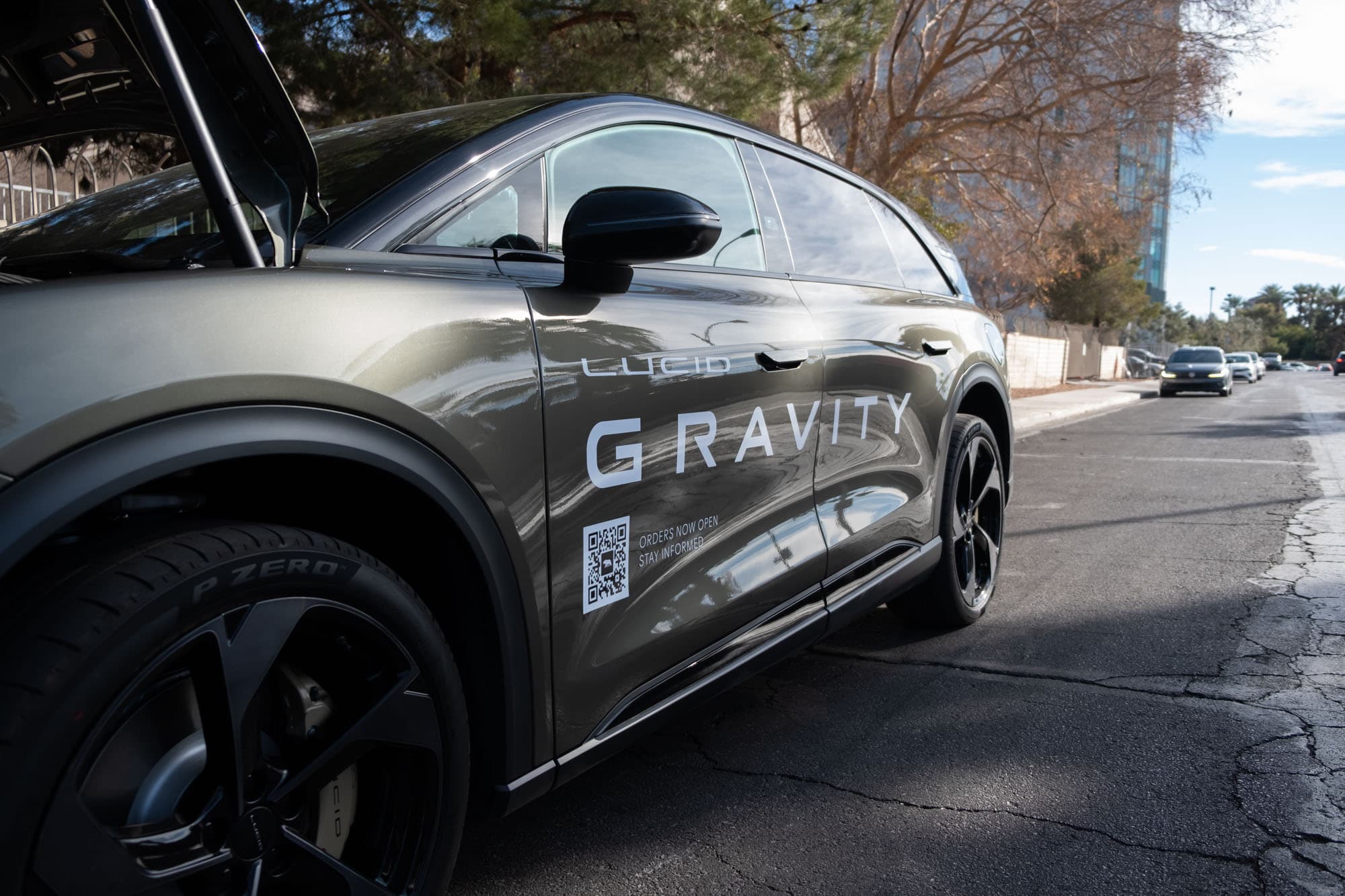
Napoli is bullish on Lucid's robotaxi program with Uber and Nuro, which integrates Nuro's self-driving technology into Lucid's Gravity SUVs. The company has created a new business unit called Lucid Technologies, led by chief digital officer Kai Stepper, to focus on AI, advanced driver assistance systems, and digital technology. The robotaxi program is expected to launch in late 2026, with an initial fleet of 100 vehicles in Houston and the San Francisco Bay Area.
New Vehicle Launches
Lucid will also focus on launching a new mid-sized electric vehicle, known as Cosmos, which will be the first model from Lucid's mid-sized platform. Napoli believes that this platform will remain an essential element of Lucid's strategic plan. The company has already begun delivering production validation vehicles assembled at a facility in Coolidge, Arizona.
Leadership Changes and Restructuring
Napoli has already implemented some of these plans in motion, including hiring several top executives and cutting in half the number of people who directly report to him. The company has also eliminated the second shift of EV production at its factory in Casa Grande, Arizona, generating $158 million in projected annualized savings. Additionally, Lucid has laid off 18% of its workforce, or around 1,500 employees, just four months after the EV maker made a cut of 12%.
Conclusion
Lucid's turnaround plan is a crucial step towards regaining its footing in the competitive EV market. By focusing on robotaxis, new vehicle launches, and cost savings, the company aims to provide sufficient liquidity runway well into 2027. While it's still early days, Napoli's plan has the potential to transform Lucid into a profitable and sustainable business.