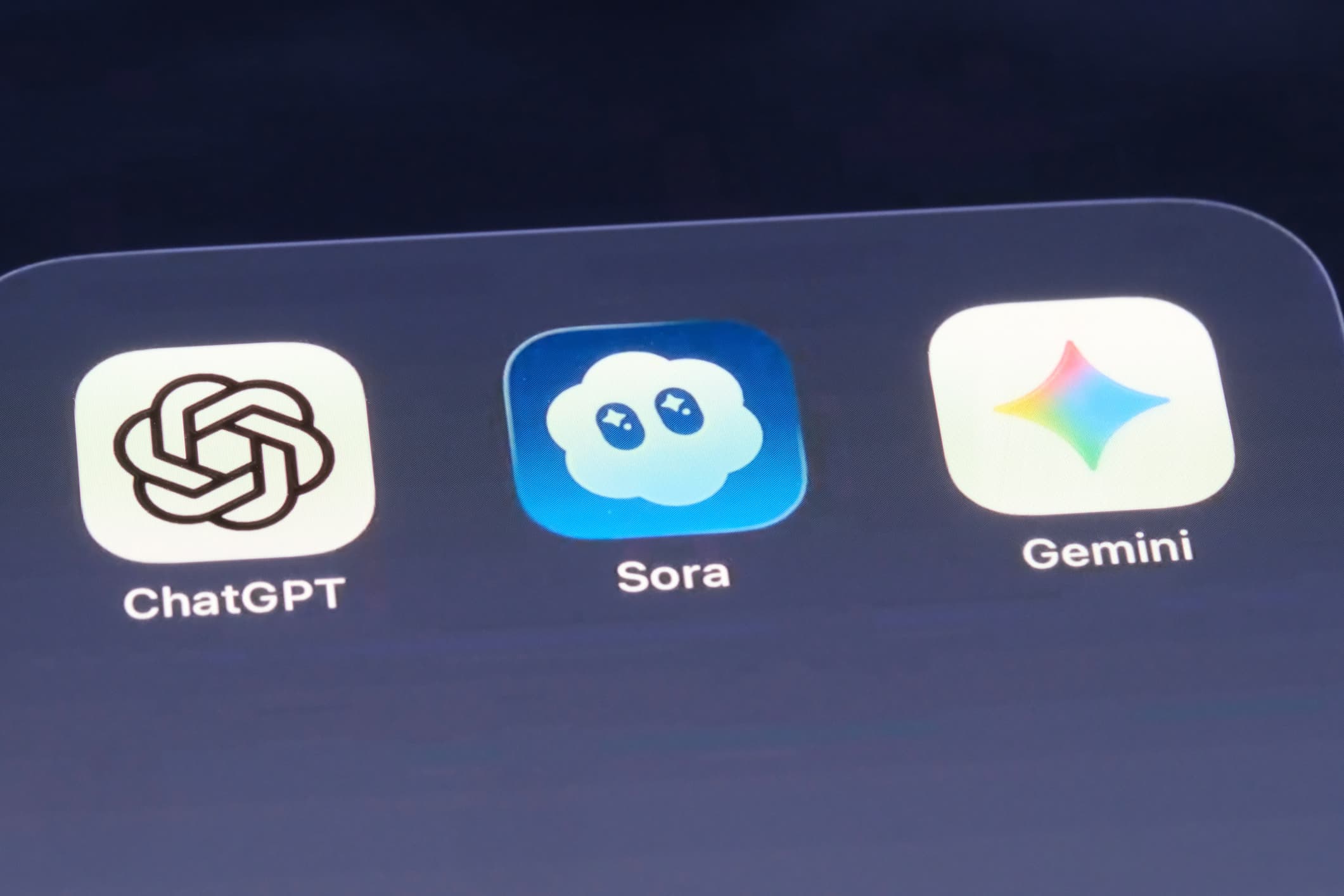
AI Tool Sora's Sudden Shutdown Leaves Industry Scratching Its Head
OpenAI's decision to shut down Sora, its AI video-generation tool, just six months after releasing it to the public, has raised immediate suspicions. The app had invited users to upload their own faces — so was this some kind of elaborate data grab? According to a new WSJ investigation, the real explanation is considerably more boring: Sora was a money pit that nobody was using, and keeping it alive was costing OpenAI the AI race.
"While a whole team inside OpenAI was focused on making Sora work, Anthropic was quietly winning over the software engineers and enterprises that drive revenue," said a source close to the matter.
Sora's Failure: A Cautionary Tale of AI's Financial Reality
- Sora's worldwide user count peaked at around a million and then collapsed to fewer than 500,000.
- The app was burning through roughly $1 million every day — not because people loved it but because video generation is so costly to run.
- Every user who dropped themselves into a fantastical scene was drawing down a finite supply of AI chips.
The WSJ Investigation Exposes the Truth Behind Sora's Shutdown
Disney, a major partner of OpenAI, found out about Sora's shutdown less than an hour before the public. The entertainment giant had committed $1 billion to the partnership, which died with Sora. The sudden shutdown raises questions about the financial viability of AI projects and the importance of user engagement.
The Future of AI: A Focus on Revenue-Generating Projects
OpenAI's decision to shut down Sora and refocus on revenue-generating projects like Claude Code suggests a shift in the AI industry's priorities. As the industry continues to evolve, it's clear that financial viability will play a crucial role in determining which projects succeed and which fail.