The Final Frontier for NASA's Legacy Programs
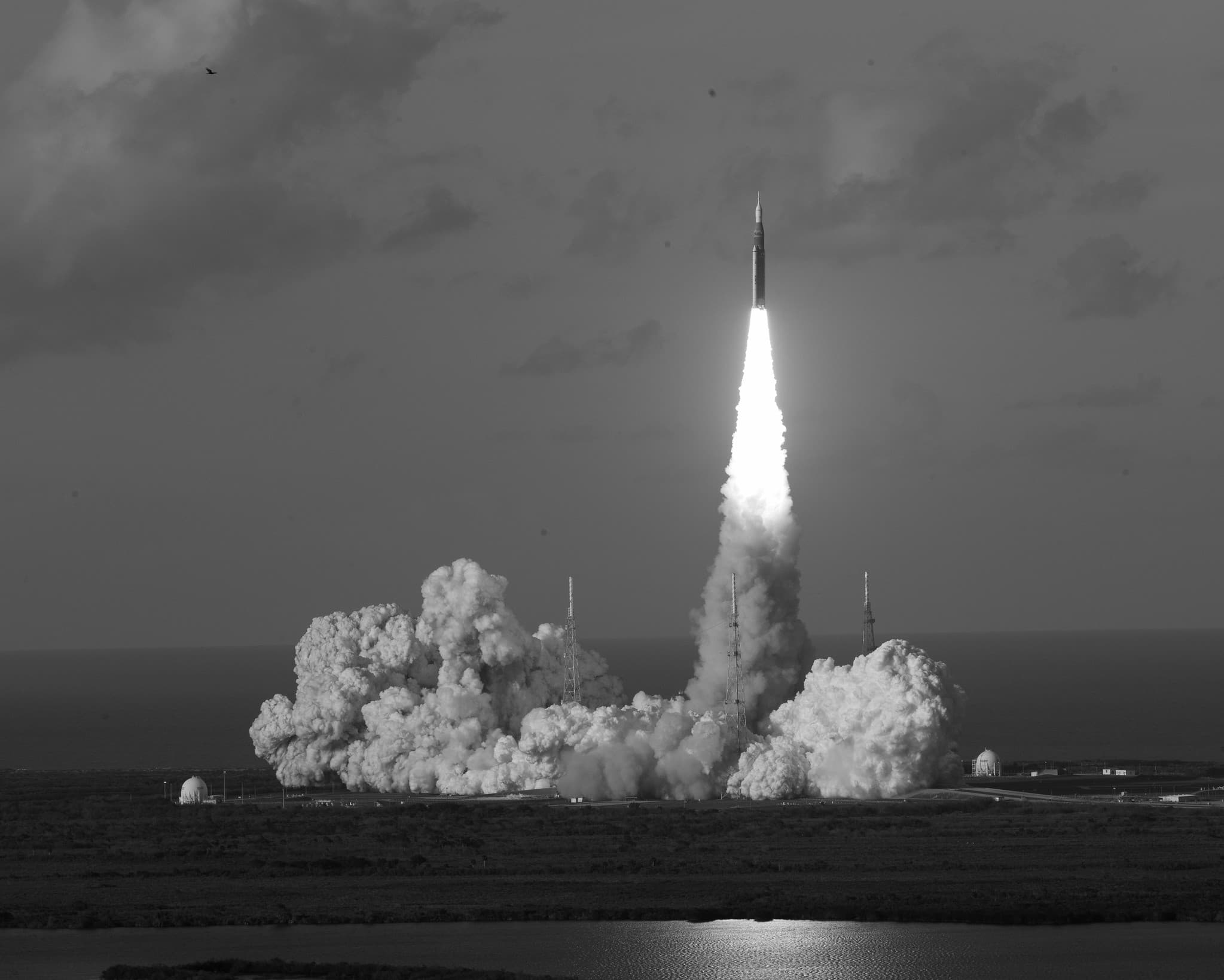
The first StrictlyVC of 2026, scheduled for April 30 in San Francisco, may be a fitting precursor to the end of an era in space exploration. NASA's recent Artemis II mission marked a significant milestone in the agency's long-term plans to return humans to the Moon. However, this mission is likely to be the last of its kind, with the agency increasingly relying on private companies to take over the development of deep space technologies.
A New Era in Space Exploration
The origins of NASA's current lunar campaign date back to the second Bush administration, which initiated the development of the massive Space Launch System (SLS) rocket and the Orion spacecraft. By 2010, the project had grown significantly over budget, leading to a reevaluation of the agency's priorities. In 2019, NASA decided to stick with the SLS and Orion, but the agency realized it needed a new generation of private space companies to help transport astronauts from space to the lunar surface.
"This is an architecture that no NASA administrator that I'm aware of would have selected had they had the choice," former NASA administrator Jim Bridenstine told Congress last year.
Private Companies Take Center Stage
In 2021, SpaceX won a contract to use its Starship rocket as a lander for NASA's lunar mission. However, the agency's decision to push back the landing attempt and rejigger its program sparked controversy. Blue Origin was added to the roster in 2023 to build its own human landing system. With China planning to send a citizen to the Moon by 2030, the stakes are high, and any delays or missteps will be seen in a geopolitical light.
- SpaceX's Starship rocket will require a dozen or more launches to fill it with sufficient propellant for the journey to the Moon.
- Blue Origin will test out its lander on the Moon sometime this year.
- NASA plans to test the ability of Orion to rendezvous with one or both landers in orbit in 2027, ahead of two potential landings in 2028.
The New Space Frontier
The agency is now planning a bake-off, with SpaceX and Blue Origin competing to put boots on the lunar regolith. With a new NASA administrator, billionaire payments entrepreneur Jared Isaacman, at the helm, the agency is shifting its focus to the new generation of private space companies. This year, there's been a major overhaul of the program, with Isaacman scrapping plans for a lunar space station and investing in expensive upgrades for SLS.
Tim Fernholz, a journalist who writes about technology, finance, and public policy, closely covers the rise of the private space industry and is the author of Rocket Billionaires: Elon Musk, Jeff Bezos, and the New Space Race.