The AI Skills Gap is Here, and Power Users are Pulling Ahead
Anthropic's latest research suggests that AI adoption is spreading unevenly, with early signs pointing to displacement effects, particularly for younger workers.
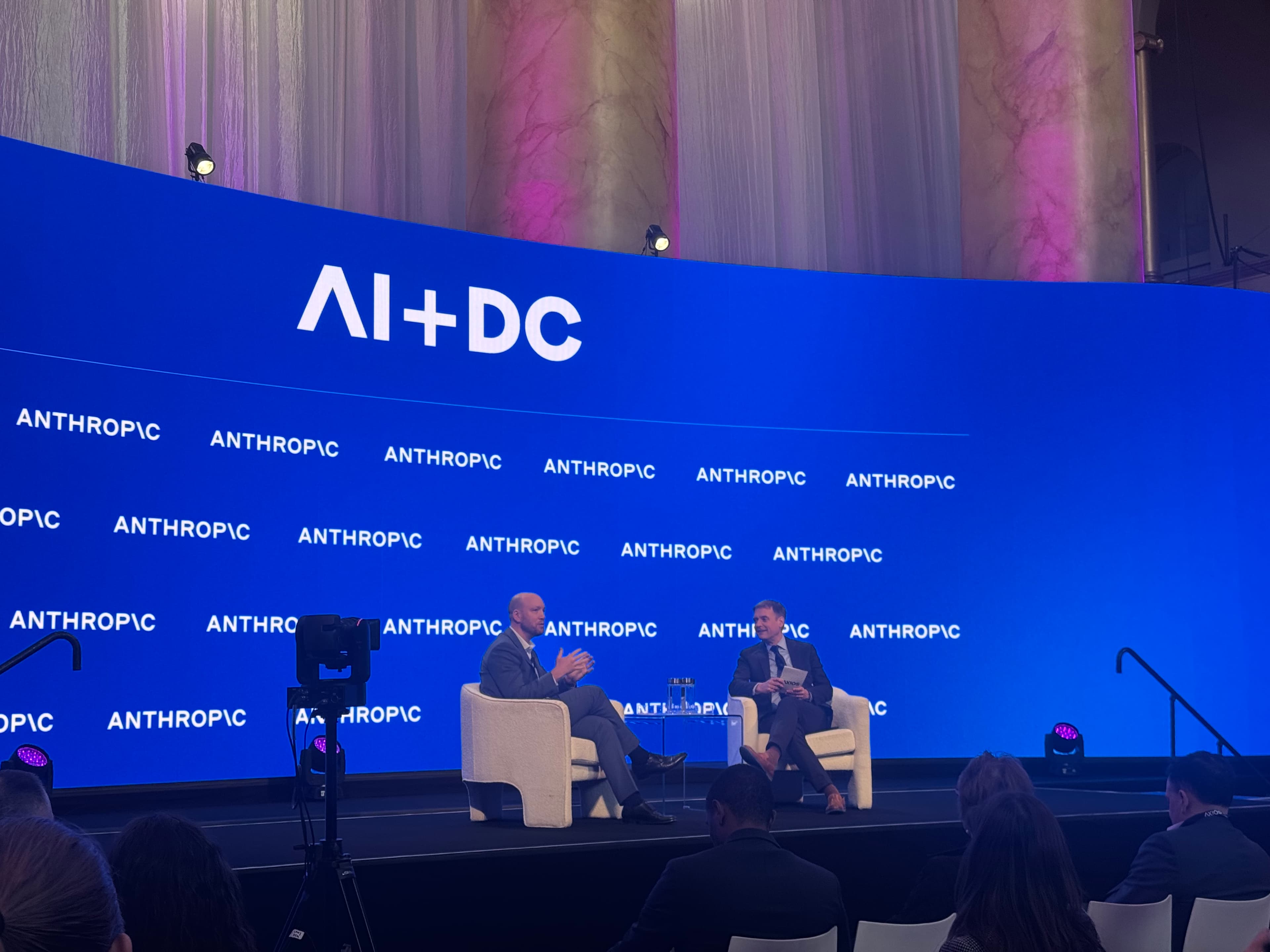
In a recent interview, Anthropic's head of economics, Peter McCrory, highlighted the uneven impacts of AI adoption across industries. While AI has not yet meaningfully eliminated jobs, McCrory warned that displacement effects could materialize quickly, making it essential to establish a monitoring framework to understand the issue before it's too late.
“Displacement effects could materialize very quickly, so you want to establish a monitoring framework to understand that before it materializes so that we can catch it as it’s happening and ideally identify the appropriate policy response,” McCrory told TechCrunch.
According to Anthropic's fifth economic impact report, released on Tuesday, there's a growing skills gap between earlier Claude adopters and newcomers. Earlier adopters are more likely to get significantly more value from the model, using it for work-related tasks rather than casual or one-off purposes and in more sophisticated ways, like as a “thought partner” for iteration and feedback.
-
The report found that Claude is used more intensely in high-income countries, within the U.S. in places with more knowledge workers, and for a relatively small set of specialized tasks and occupations.
-
This suggests that adoption may already be tilting towards the wealthy and could amplify existing inequalities as power users pull further ahead.
“In theory, AI models like Claude can do almost anything a computer can do. In practice, most users are only scratching the surface of those capabilities,” McCrory said.
The findings suggest that AI is becoming a technology that rewards those who already know how to use it, giving workers who can effectively incorporate it into their work an edge. This advantage is not evenly distributed geographically, with earlier adopters in high-income countries and specialized tasks and occupations reaping the most benefits.
As AI adoption spreads across industries, it's essential to address the skills gap and ensure that the benefits of AI are distributed fairly. Anthropic's research highlights the need for a monitoring framework to understand the impact of AI on the labor market and identify the necessary policy responses to mitigate displacement effects.
“Establishing a monitoring framework to understand the AI skills gap and displacement effects is crucial to ensuring that the benefits of AI are shared fairly and that we can catch and address any negative consequences before they materialize,” McCrory emphasized.
In the face of rapid AI adoption, it's essential to prioritize education and training to help workers develop the skills needed to effectively incorporate AI into their work. By doing so, we can create a more equitable AI-driven economy that benefits everyone, not just the privileged few.
The AI Skills Gap: A Growing Concern
The AI skills gap is a pressing issue that requires immediate attention. As AI adoption spreads, it's essential to address the uneven impacts on the labor market and ensure that the benefits of AI are shared fairly.
The Need for a Monitoring Framework
Establishing a monitoring framework to understand the AI skills gap and displacement effects is crucial to ensuring that the benefits of AI are shared fairly and that we can catch and address any negative consequences before they materialize.
Prioritizing Education and Training
Prioritizing education and training to help workers develop the skills needed to effectively incorporate AI into their work is essential to creating a more equitable AI-driven economy.
Conclusion
The AI skills gap is a pressing issue that requires immediate attention. By establishing a monitoring framework and prioritizing education and training, we can create a more equitable AI-driven economy that benefits everyone, not just the privileged few.