Robotaxi Companies Refuse to Reveal Remote Assistance Usage
Despite having commercially deployed robotaxis, autonomous vehicle companies are hesitant to share information about how often their remote staff intervene to guide vehicles.
Senator Ed Markey Demands Transparency
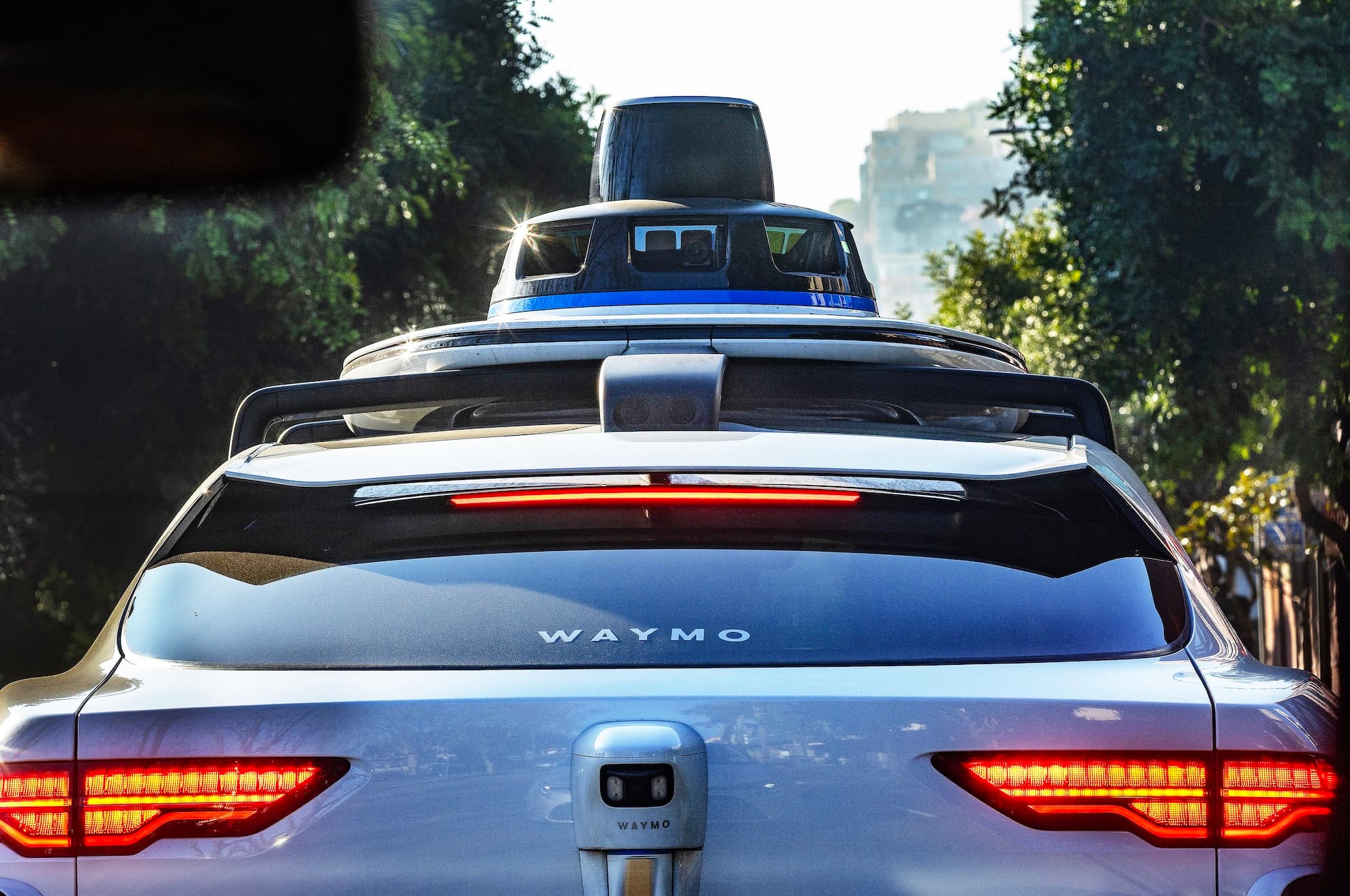
Senator Ed Markey (D-MA) sent letters to seven U.S. companies working on autonomous vehicle technology in February, asking for information on their remote operations. The results of his investigation, which were released on Tuesday, show that none of the companies directly answered the question about how often their remote staff are tasked with offering guidance to the AVs. Waymo and May Mobility explicitly claimed that this is "confidential business information," while Tesla didn't even include the question in its response letter.
"This report has revealed a stunning lack of transparency from the AV companies around their use of [remote assistance operators] to help guide their AVs," Markey's office wrote in its report.
Companies' Responses Vary Wildly
The companies' answers vary wildly. Waymo claimed that improvements to its self-driving system have "materially reduced" the number of help requests per mile that its vehicles send out to remote staff, but it offered no specifics or proof. Waymo was also the only company that admitted to using overseas remote assistance workers. While the company says it makes sure these workers have local drivers' licenses, Markey's office wrote Tuesday that a "driver’s license in a foreign location is not a substitute for passing a U.S. driver’s license exam, as the rules of the road will almost certainly vary by location."
- Tesla said that its remote assistance workers "are authorized to temporarily assume direct vehicle control as the final escalation maneuver after all other available intervention actions have been exhausted."
- Tesla's remote operators can only drive the vehicle at speeds of 2 miles per hour or less, and cannot drive the car faster than 10 miles per hour.
Markey Calls for Federal Investigation
Markey is calling on the National Highway Traffic Safety Administration to investigate these companies' use of remote assistance workers. He is also "working on legislation to impose strict guardrails on AV companies’ use of remote operators."
The lack of transparency from these companies is a major concern, as many more commercial deployments of robotaxis are on the horizon. With the attention on their full operations intensifying, it's time for autonomous vehicle companies to come clean about how their remote assistance operations work.
Sean O'Kane is a reporter who has spent a decade covering the rapidly-evolving business and technology of the transportation industry, including Tesla and the many startups chasing Elon Musk. You can contact or verify outreach from Sean by emailing sean.okane@techcrunch.com or via encrypted message at okane.01 on Signal.